
No maintenance requests. No complaints. Rent arrives on time.
For a rental property owner, that can feel like everything is running exactly as it should. But a quiet inbox doesn’t always tell the whole story.
Behind that silence could be a toilet that keeps running, a small stain beneath a sink, or a furnace making a sound the tenant has learned to ignore. None of these issues necessarily feels urgent to the person living there. Left unchecked, though, they can become much bigger concerns for the person who owns the property.
That’s why preventative maintenance matters. It gives owners a way to understand what’s happening at their property before a small problem becomes an expensive surprise.
Why Small Problems Go Unreported
Most tenants want a comfortable, well-maintained home. That doesn’t mean they know which changes deserve a maintenance request.
A slow drain might seem like an inconvenience. A little moisture around a window might get wiped away without another thought. An exhaust fan that barely works may have been that way for so long that it feels normal.
Sometimes tenants assume the owner already knows. Sometimes they worry about being charged for a repair. Others simply forget to submit a request once the immediate inconvenience passes.
It’s easy to interpret silence as reassurance. In reality, it may just mean a problem hasn’t crossed the tenant’s threshold for reporting it.
Clear communication helps, but tenant reporting works best alongside a consistent maintenance process.
The Problem You See May Be Only Part of the Story
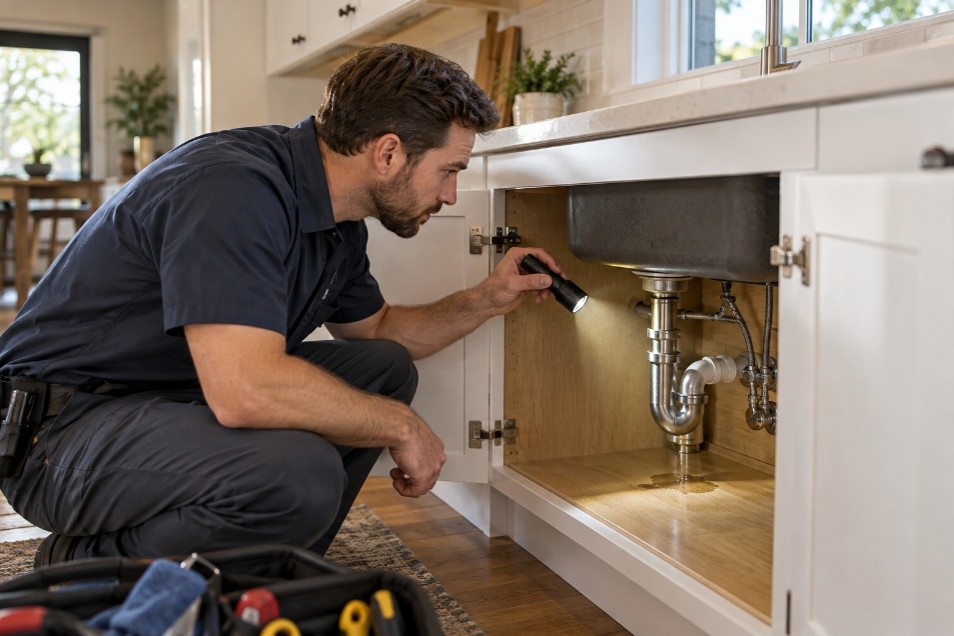
Picture a small leak inside a bathroom vanity.
At first, there’s just a little moisture. The tenant puts a towel underneath it or stores cleaning supplies around the damp spot. The sink still works, so the issue doesn’t feel pressing.
Over time, that moisture can damage the cabinet and surrounding materials. What might have started as a straightforward plumbing repair can turn into a larger job involving damaged surfaces and additional labor.
Not every small leak becomes a major loss. But the longer an issue goes unnoticed, the fewer opportunities an owner has to address it while it’s manageable.
Preventative maintenance creates those opportunities.
Your Property Needs Attention Between Emergencies
When maintenance happens only after something breaks, the property sets the schedule.
A heating problem becomes urgent when temperatures drop. A neglected drainage issue gets attention when water ends up somewhere it shouldn’t. A worn component becomes a priority when the equipment stops working.
Scheduled maintenance gives owners more room to plan.
Depending on the property and its systems, that may include checking for visible leaks, servicing heating and cooling equipment, assessing drainage, and looking for signs of wear or moisture.
The goal is to identify developing concerns, document what needs attention, and make informed decisions before circumstances force an immediate response.
For Denver-area rentals, seasonal changes make that planning especially useful. Preparing for colder weather is easier when there’s time to address a concern before the first stretch of freezing temperatures.
Make It Easy for Tenants to Speak Up
Preventative maintenance also depends on a good relationship with the people living in the home.
Tenants shouldn’t have to decide whether a problem is “serious enough” before mentioning it. Owners and property managers can encourage earlier reporting by explaining what to watch for and how to submit a request.
That means being specific.
Ask tenants to report water where it doesn’t belong, recurring drain problems, changes in heating performance, or unusual equipment noises. Let them know that reporting a small concern is helpful, even if it turns out to be a simple fix.
A clear process and a responsive follow-up can make tenants more comfortable speaking up the next time something seems off.
Consistency Matters More Than Good Intentions
Most owners understand the value of maintaining their investment. The challenge is keeping up with it.
Between work, family, and other responsibilities, it’s easy for routine checks to slide down the list. When nothing appears wrong, maintenance can feel like something that can wait.
A preventative approach replaces that uncertainty with a process: scheduled attention, documented findings, clear recommendations, and follow-through.
It also gives owners a better picture of recurring issues. A repair that keeps coming back may need a different solution. Equipment showing signs of wear may belong in a future replacement budget.
Don’t Wait for Silence to Become a Surprise
At Walters & Company Property Management, we understand that owners need visibility into their investment. That starts with paying attention before a tenant has an urgent problem.
Preventative maintenance won’t eliminate every repair. It can, however, help uncover concerns earlier and give owners more control over what happens next.
If your maintenance strategy starts when the phone rings, it may be time for a more proactive approach. Contact Walters & Company Property Management to discuss preventative maintenance for your rental property.
Walters and Company Property Management is a full-service property management company focused on residential and multi-family properties in the Denver metro area. A successful rental takes time, effort, experience, and knowledge, from preventative maintenance to tenant relations. Let us save you the time, effort, and frustration that comes with gaining that experience on your own.
Ready to make owning a rental easier? Reach out to our team today and see how much simpler property management can be.